Buy posl.eu ?
We are moving the project
posl.eu .
Are you interested in purchasing the domain
posl.eu ?
domain@kv-gmbh.de · 0541-91531010
Buy posl.eu ?
What are inventory and inventory holding costs?
Inventory refers to the goods and materials held by a business for the purpose of resale or production. Inventory holding costs, also known as carrying costs, are the expenses associated with holding and storing inventory. These costs can include expenses such as storage, insurance, obsolescence, and the opportunity cost of tying up capital in inventory. Managing inventory and minimizing inventory holding costs is important for businesses to optimize their cash flow and profitability. **
Are inventory holding costs the same as storage costs?
No, inventory holding costs and storage costs are not the same. Inventory holding costs include expenses such as insurance, taxes, obsolescence, and opportunity cost of capital tied up in inventory. On the other hand, storage costs specifically refer to the expenses associated with physically storing and maintaining inventory, such as rent, utilities, and labor for handling and managing inventory. While storage costs are a component of inventory holding costs, they are not the only expenses included in the overall cost of holding inventory. **

Similar search terms for Costs
Top-Angebote
Products related to Costs:
-
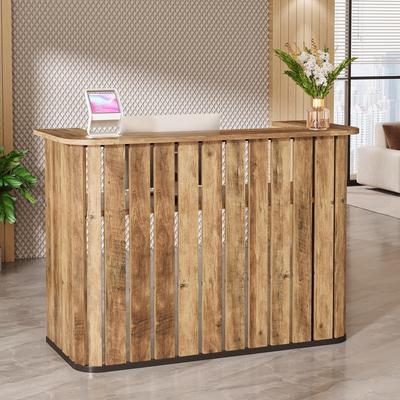
BLUEBELL "63"" Reception Desk with Counter, Modern U-Shaped Front Desk, Retail Checkout Counter Table"Enhance your reception area or office workspace with this 63-inch modern U-shaped reception desk, designed to combine style, functionality, and privacy.255,99 $*Shipping: 0,00 $Secure redirect to the provider
-
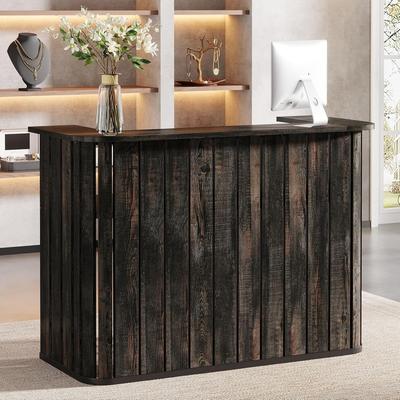
Modern Reception Desk, Retail Checkout Desk for Cashier Counter, Salon, Office And Customer Service Front DeskThis modern reception desk combines sleek design with practical storage, making it an ideal centerpiece for any office, retail store, or hotel lobby.263,99 $*Shipping: 0,00 $Secure redirect to the provider
-
Uplifted Finds Vertical Toy Inventory Management Module greenOptimize your pets engagement ecosystem with the Vertical ToyInventory Module, a professionalgrade organization system engineered with spatialefficiency logic. This highutility module features a multitier felt architecture specifically designed to...92,97 $*Shipping: 0,00 $Secure redirect to the provider
-
Uplifted Finds Vertical Toy Inventory Management Module grayOptimize your pets engagement ecosystem with the Vertical ToyInventory Module, a professionalgrade organization system engineered with spatialefficiency logic. This highutility module features a multitier felt architecture specifically designed to...92,97 $*Shipping: 0,00 $Secure redirect to the provider



-
Do procurement costs and inventory costs develop in opposite directions?
Procurement costs and inventory costs can develop in opposite directions. When procurement costs increase, it can lead to higher inventory costs as more money is tied up in purchasing and storing inventory. Conversely, if procurement costs decrease, it can lead to lower inventory costs as less money is tied up in inventory. However, this relationship is not always linear and can be influenced by various factors such as demand fluctuations, lead times, and supplier relationships. **
-
Who bears the inventory holding costs?
The inventory holding costs are typically borne by the company or organization that owns the inventory. These costs can include expenses such as storage, insurance, obsolescence, and the opportunity cost of tying up capital in inventory. Ultimately, these costs are factored into the overall cost of goods sold and can impact the profitability of the business. Efficient inventory management is crucial in minimizing these holding costs. **
-
What is the difference between storage costs and inventory holding costs?
Storage costs refer to the expenses associated with physically storing goods, such as rent for warehouse space, utilities, and maintenance. On the other hand, inventory holding costs encompass a broader range of expenses related to holding inventory, including the cost of capital tied up in inventory, insurance, taxes, and obsolescence. While storage costs specifically pertain to the physical space and resources needed to store goods, inventory holding costs encompass a wider range of expenses associated with maintaining and managing inventory. **
-
How does an increase in inventory turnover frequency affect inventory costs and inventory risk?
An increase in inventory turnover frequency typically leads to lower inventory costs as it indicates that inventory is being sold and replenished more quickly, reducing the need for excess inventory storage and associated costs. Additionally, a higher turnover frequency can help mitigate inventory risk by reducing the likelihood of inventory obsolescence or damage due to prolonged storage. Overall, a faster inventory turnover frequency can lead to improved efficiency, lower costs, and reduced inventory risk for a business. **


What is the difference between a retail sales specialist and a retail management specialist?
A retail sales specialist is primarily focused on selling products and providing customer service. They are responsible for assisting customers, processing transactions, and ensuring the store is well-stocked and presentable. On the other hand, a retail management specialist is responsible for overseeing the overall operations of the store, including managing staff, setting sales targets, and implementing strategies to increase profitability. They also handle administrative tasks such as scheduling, inventory management, and budgeting. In summary, the retail sales specialist focuses on the front-line customer interactions, while the retail management specialist focuses on the overall management and operations of the store. **
Why is an increase in inventory subtracted from the production costs and a decrease in inventory added to the production costs?
An increase in inventory is subtracted from production costs because it means that fewer units were sold than produced during the period, resulting in the cost of producing those unsold units being carried forward to the next period. On the other hand, a decrease in inventory is added to production costs because it indicates that more units were sold than produced during the period, requiring the cost of producing those additional units to be accounted for in the current period. This method ensures that the cost of goods sold accurately reflects the cost of producing the units that were actually sold. **
Top-Angebote
Products related to Costs:
-
Uplifted Finds Vertical Toy Inventory Management Module pinkOptimize your pets engagement ecosystem with the Vertical ToyInventory Module, a professionalgrade organization system engineered with spatialefficiency logic. This highutility module features a multitier felt architecture specifically designed to...92,97 $*Shipping: 0,00 $Secure redirect to the provider
-
Bluebell Reception Desk with Counter, Retail Checkout Counter Table, Modern Front DeskThis contemporary reception desk, with its U-shaped design, provides both aesthetic appeal and privacy. Designed for optimal efficiency, it has a double-tier structure for easy access to essentials and it is ergonomically high for comfort.204,74 $*Shipping: 0,00 $Secure redirect to the provider
-
BLUEBELL "63"" Reception Desk with Counter, Modern U-Shaped Front Desk, Retail Checkout Counter Table"Enhance your reception area or office workspace with this 63-inch modern U-shaped reception desk, designed to combine style, functionality, and privacy.255,99 $*Shipping: 0,00 $Secure redirect to the provider
-
Modern Reception Desk, Retail Checkout Desk for Cashier Counter, Salon, Office And Customer Service Front DeskThis modern reception desk combines sleek design with practical storage, making it an ideal centerpiece for any office, retail store, or hotel lobby.263,99 $*Shipping: 0,00 $Secure redirect to the provider
-
What are inventory and inventory holding costs?
Inventory refers to the goods and materials held by a business for the purpose of resale or production. Inventory holding costs, also known as carrying costs, are the expenses associated with holding and storing inventory. These costs can include expenses such as storage, insurance, obsolescence, and the opportunity cost of tying up capital in inventory. Managing inventory and minimizing inventory holding costs is important for businesses to optimize their cash flow and profitability. **
-
Are inventory holding costs the same as storage costs?
No, inventory holding costs and storage costs are not the same. Inventory holding costs include expenses such as insurance, taxes, obsolescence, and opportunity cost of capital tied up in inventory. On the other hand, storage costs specifically refer to the expenses associated with physically storing and maintaining inventory, such as rent, utilities, and labor for handling and managing inventory. While storage costs are a component of inventory holding costs, they are not the only expenses included in the overall cost of holding inventory. **
-
Do procurement costs and inventory costs develop in opposite directions?
Procurement costs and inventory costs can develop in opposite directions. When procurement costs increase, it can lead to higher inventory costs as more money is tied up in purchasing and storing inventory. Conversely, if procurement costs decrease, it can lead to lower inventory costs as less money is tied up in inventory. However, this relationship is not always linear and can be influenced by various factors such as demand fluctuations, lead times, and supplier relationships. **
-
Who bears the inventory holding costs?
The inventory holding costs are typically borne by the company or organization that owns the inventory. These costs can include expenses such as storage, insurance, obsolescence, and the opportunity cost of tying up capital in inventory. Ultimately, these costs are factored into the overall cost of goods sold and can impact the profitability of the business. Efficient inventory management is crucial in minimizing these holding costs. **
Similar search terms for Costs
-
Uplifted Finds Vertical Toy Inventory Management Module greenOptimize your pets engagement ecosystem with the Vertical ToyInventory Module, a professionalgrade organization system engineered with spatialefficiency logic. This highutility module features a multitier felt architecture specifically designed to...92,97 $*Shipping: 0,00 $Secure redirect to the provider
-
Uplifted Finds Vertical Toy Inventory Management Module grayOptimize your pets engagement ecosystem with the Vertical ToyInventory Module, a professionalgrade organization system engineered with spatialefficiency logic. This highutility module features a multitier felt architecture specifically designed to...92,97 $*Shipping: 0,00 $Secure redirect to the provider
-
Uplifted Finds Vertical Toy Inventory Management Module yellowOptimize your pets engagement ecosystem with the Vertical ToyInventory Module, a professionalgrade organization system engineered with spatialefficiency logic. This highutility module features a multitier felt architecture specifically designed to...92,97 $*Shipping: 0,00 $Secure redirect to the provider
-
Uplifted Finds Vertical Toy Inventory Management Module sky BlueOptimize your pets engagement ecosystem with the Vertical ToyInventory Module, a professionalgrade organization system engineered with spatialefficiency logic. This highutility module features a multitier felt architecture specifically designed to...92,97 $*Shipping: 0,00 $Secure redirect to the provider
-
What is the difference between storage costs and inventory holding costs?
Storage costs refer to the expenses associated with physically storing goods, such as rent for warehouse space, utilities, and maintenance. On the other hand, inventory holding costs encompass a broader range of expenses related to holding inventory, including the cost of capital tied up in inventory, insurance, taxes, and obsolescence. While storage costs specifically pertain to the physical space and resources needed to store goods, inventory holding costs encompass a wider range of expenses associated with maintaining and managing inventory. **
-
How does an increase in inventory turnover frequency affect inventory costs and inventory risk?
An increase in inventory turnover frequency typically leads to lower inventory costs as it indicates that inventory is being sold and replenished more quickly, reducing the need for excess inventory storage and associated costs. Additionally, a higher turnover frequency can help mitigate inventory risk by reducing the likelihood of inventory obsolescence or damage due to prolonged storage. Overall, a faster inventory turnover frequency can lead to improved efficiency, lower costs, and reduced inventory risk for a business. **
-
What is the difference between a retail sales specialist and a retail management specialist?
A retail sales specialist is primarily focused on selling products and providing customer service. They are responsible for assisting customers, processing transactions, and ensuring the store is well-stocked and presentable. On the other hand, a retail management specialist is responsible for overseeing the overall operations of the store, including managing staff, setting sales targets, and implementing strategies to increase profitability. They also handle administrative tasks such as scheduling, inventory management, and budgeting. In summary, the retail sales specialist focuses on the front-line customer interactions, while the retail management specialist focuses on the overall management and operations of the store. **
-
Why is an increase in inventory subtracted from the production costs and a decrease in inventory added to the production costs?
An increase in inventory is subtracted from production costs because it means that fewer units were sold than produced during the period, resulting in the cost of producing those unsold units being carried forward to the next period. On the other hand, a decrease in inventory is added to production costs because it indicates that more units were sold than produced during the period, requiring the cost of producing those additional units to be accounted for in the current period. This method ensures that the cost of goods sold accurately reflects the cost of producing the units that were actually sold. **
* All prices are inclusive of VAT and, if applicable, plus shipping costs. The offer information is based on the details provided by the respective shop and is updated through automated processes. Real-time updates do not occur, so deviations can occur in individual cases. ** Note: Parts of this content were created by AI.