Buy posl.eu ?
We are moving the project
posl.eu .
Are you interested in purchasing the domain
posl.eu ?
domain@kv-gmbh.de · 0541-91531010
Buy posl.eu ?
What is the difference between sales calculation, purchase calculation, and differential calculation in accounting?
Sales calculation in accounting refers to the process of determining the total revenue generated from the sale of goods or services. Purchase calculation, on the other hand, involves calculating the total cost of goods or services purchased by a company. Differential calculation in accounting is the process of determining the difference between two values, such as the difference between sales and purchases, or the difference between two time periods. Each of these calculations serves a different purpose in financial analysis and helps businesses understand their financial performance. **
What is the cost and sales calculation?
Cost and sales calculation is the process of determining the total expenses incurred to produce a product or service (cost) and the revenue generated from selling that product or service (sales). This calculation helps businesses understand their profitability by comparing the cost of production to the revenue generated. By analyzing this information, businesses can make informed decisions about pricing strategies, cost-cutting measures, and overall financial performance. **

Similar search terms for Calculation
Top-Angebote
Products related to Calculation:
-
Uplifted Finds Vertical Toy Inventory Management Module greenOptimize your pets engagement ecosystem with the Vertical ToyInventory Module, a professionalgrade organization system engineered with spatialefficiency logic. This highutility module features a multitier felt architecture specifically designed to...92,97 $*Shipping: 0,00 $Secure redirect to the provider
-
Bluebell Reception Desk with Counter, Retail Checkout Counter Table, Modern Front DeskThis contemporary reception desk, with its U-shaped design, provides both aesthetic appeal and privacy. Designed for optimal efficiency, it has a double-tier structure for easy access to essentials and it is ergonomically high for comfort.204,74 $*Shipping: 0,00 $Secure redirect to the provider
-
BLUEBELL "63"" Reception Desk with Counter, Modern U-Shaped Front Desk, Retail Checkout Counter Table"Enhance your reception area or office workspace with this 63-inch modern U-shaped reception desk, designed to combine style, functionality, and privacy.255,99 $*Shipping: 0,00 $Secure redirect to the provider
-
Uplifted Finds Vertical Toy Inventory Management Module grayOptimize your pets engagement ecosystem with the Vertical ToyInventory Module, a professionalgrade organization system engineered with spatialefficiency logic. This highutility module features a multitier felt architecture specifically designed to...92,97 $*Shipping: 0,00 $Secure redirect to the provider




-
What is the difference between a retail sales specialist and a retail management specialist?
A retail sales specialist is primarily focused on selling products and providing customer service. They are responsible for assisting customers, processing transactions, and ensuring the store is well-stocked and presentable. On the other hand, a retail management specialist is responsible for overseeing the overall operations of the store, including managing staff, setting sales targets, and implementing strategies to increase profitability. They also handle administrative tasks such as scheduling, inventory management, and budgeting. In summary, the retail sales specialist focuses on the front-line customer interactions, while the retail management specialist focuses on the overall management and operations of the store. **
-
How do you calculate the sales commission in forward calculation?
In forward calculation, the sales commission is typically calculated by multiplying the sales amount by the commission rate. For example, if the sales amount is $10,000 and the commission rate is 5%, the commission would be calculated as $10,000 x 0.05 = $500. This method allows for the commission to be determined based on the projected sales amount, providing a clear understanding of the potential earnings for the salesperson. **
-
What is the difference between cost calculation and sales calculation, and how can I know which is which?
Cost calculation involves determining the expenses incurred in producing a product or providing a service, while sales calculation involves estimating the revenue generated from selling that product or service. To differentiate between the two, you can look at the items being considered - if you are analyzing expenses such as materials, labor, and overhead, it is likely a cost calculation. On the other hand, if you are looking at factors like pricing, quantity sold, and revenue generated, it is likely a sales calculation. Understanding the purpose and components of the calculation will help you determine whether it is related to costs or sales. **
-
How can one quickly perform a calculation on inventory value compensation?
To quickly perform a calculation on inventory value compensation, one can use the formula: Inventory Value = (Beginning Inventory + Purchases) - Ending Inventory. This formula helps in determining the total value of inventory at a specific point in time. By inputting the relevant figures for beginning inventory, purchases, and ending inventory, one can swiftly calculate the inventory value compensation. Additionally, utilizing spreadsheet software like Microsoft Excel can streamline the calculation process and provide accurate results efficiently. **


How can one quickly perform a calculation for inventory value compensation?
To quickly perform a calculation for inventory value compensation, one can use the formula: Inventory Value = (Beginning Inventory + Purchases) - Ending Inventory. First, determine the beginning inventory value at the start of the period, then add the value of purchases made during the period. Next, subtract the value of the ending inventory at the end of the period. This calculation will provide an estimate of the inventory value compensation. Using this formula can help businesses accurately assess their inventory value and make informed decisions regarding compensation. **
What are the calculation surcharge, the calculation factor, and the calculation discount?
The calculation surcharge is an additional fee or charge added to the total cost of a product or service. It is typically applied when there are additional costs incurred in the calculation process, such as handling fees or special circumstances. The calculation factor is a multiplier or percentage used to adjust the calculated amount. It is often used to account for fluctuations in costs, changes in market conditions, or to apply a standard markup or discount. The calculation discount is a reduction in the calculated amount, typically applied as a percentage or fixed amount to lower the total cost. It is often used as an incentive to encourage customers to make a purchase or to reward loyalty. **
Top-Angebote
Products related to Calculation:
-
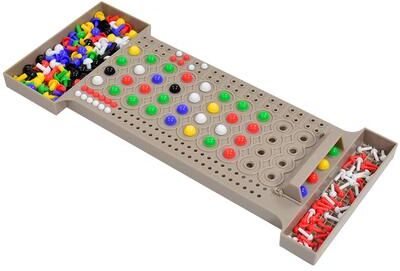
Multisell Products Hub Children Educational Puzzle Game Logical Thinking, Calculation & Password Cracking Toy Children Educational Puzzle Game Logical Thinking, Calculation & Password Cracking ToyUnlock your child's potential with this Childrens Educational Puzzle Game, designed to foster logical thinking and improve calculation skills. This fun and interactive toy not only promotes intellectual development but also strengthens...34,97 $*Shipping: 0,00 $Secure redirect to the provider
-
Discount Dollar Deals Childrens Intellectual Development Toy Clever Calculation, Logical Thinking, And Password Cracking Game For Kids Childrens Intellectual Development Toy Clever Calculation, Logical Thinking, And Password Cracking Game For KidsUnlock your child's full potential with this children's intellectual development toy. Designed to engage young minds, this game encourages clever calculation and sharpens logical thinking skills through fun, handson puzzles. Perfect for kids who...34,97 $*Shipping: 0,00 $Secure redirect to the provider
-
Uplifted Finds Vertical Toy Inventory Management Module greenOptimize your pets engagement ecosystem with the Vertical ToyInventory Module, a professionalgrade organization system engineered with spatialefficiency logic. This highutility module features a multitier felt architecture specifically designed to...92,97 $*Shipping: 0,00 $Secure redirect to the provider
-
Bluebell Reception Desk with Counter, Retail Checkout Counter Table, Modern Front DeskThis contemporary reception desk, with its U-shaped design, provides both aesthetic appeal and privacy. Designed for optimal efficiency, it has a double-tier structure for easy access to essentials and it is ergonomically high for comfort.204,74 $*Shipping: 0,00 $Secure redirect to the provider
-
What is the difference between sales calculation, purchase calculation, and differential calculation in accounting?
Sales calculation in accounting refers to the process of determining the total revenue generated from the sale of goods or services. Purchase calculation, on the other hand, involves calculating the total cost of goods or services purchased by a company. Differential calculation in accounting is the process of determining the difference between two values, such as the difference between sales and purchases, or the difference between two time periods. Each of these calculations serves a different purpose in financial analysis and helps businesses understand their financial performance. **
-
What is the cost and sales calculation?
Cost and sales calculation is the process of determining the total expenses incurred to produce a product or service (cost) and the revenue generated from selling that product or service (sales). This calculation helps businesses understand their profitability by comparing the cost of production to the revenue generated. By analyzing this information, businesses can make informed decisions about pricing strategies, cost-cutting measures, and overall financial performance. **
-
What is the difference between a retail sales specialist and a retail management specialist?
A retail sales specialist is primarily focused on selling products and providing customer service. They are responsible for assisting customers, processing transactions, and ensuring the store is well-stocked and presentable. On the other hand, a retail management specialist is responsible for overseeing the overall operations of the store, including managing staff, setting sales targets, and implementing strategies to increase profitability. They also handle administrative tasks such as scheduling, inventory management, and budgeting. In summary, the retail sales specialist focuses on the front-line customer interactions, while the retail management specialist focuses on the overall management and operations of the store. **
-
How do you calculate the sales commission in forward calculation?
In forward calculation, the sales commission is typically calculated by multiplying the sales amount by the commission rate. For example, if the sales amount is $10,000 and the commission rate is 5%, the commission would be calculated as $10,000 x 0.05 = $500. This method allows for the commission to be determined based on the projected sales amount, providing a clear understanding of the potential earnings for the salesperson. **
Similar search terms for Calculation
-
BLUEBELL "63"" Reception Desk with Counter, Modern U-Shaped Front Desk, Retail Checkout Counter Table"Enhance your reception area or office workspace with this 63-inch modern U-shaped reception desk, designed to combine style, functionality, and privacy.255,99 $*Shipping: 0,00 $Secure redirect to the provider
-
Uplifted Finds Vertical Toy Inventory Management Module grayOptimize your pets engagement ecosystem with the Vertical ToyInventory Module, a professionalgrade organization system engineered with spatialefficiency logic. This highutility module features a multitier felt architecture specifically designed to...92,97 $*Shipping: 0,00 $Secure redirect to the provider
-
Uplifted Finds Vertical Toy Inventory Management Module pinkOptimize your pets engagement ecosystem with the Vertical ToyInventory Module, a professionalgrade organization system engineered with spatialefficiency logic. This highutility module features a multitier felt architecture specifically designed to...92,97 $*Shipping: 0,00 $Secure redirect to the provider
-
Uplifted Finds Vertical Toy Inventory Management Module yellowOptimize your pets engagement ecosystem with the Vertical ToyInventory Module, a professionalgrade organization system engineered with spatialefficiency logic. This highutility module features a multitier felt architecture specifically designed to...92,97 $*Shipping: 0,00 $Secure redirect to the provider
-
What is the difference between cost calculation and sales calculation, and how can I know which is which?
Cost calculation involves determining the expenses incurred in producing a product or providing a service, while sales calculation involves estimating the revenue generated from selling that product or service. To differentiate between the two, you can look at the items being considered - if you are analyzing expenses such as materials, labor, and overhead, it is likely a cost calculation. On the other hand, if you are looking at factors like pricing, quantity sold, and revenue generated, it is likely a sales calculation. Understanding the purpose and components of the calculation will help you determine whether it is related to costs or sales. **
-
How can one quickly perform a calculation on inventory value compensation?
To quickly perform a calculation on inventory value compensation, one can use the formula: Inventory Value = (Beginning Inventory + Purchases) - Ending Inventory. This formula helps in determining the total value of inventory at a specific point in time. By inputting the relevant figures for beginning inventory, purchases, and ending inventory, one can swiftly calculate the inventory value compensation. Additionally, utilizing spreadsheet software like Microsoft Excel can streamline the calculation process and provide accurate results efficiently. **
-
How can one quickly perform a calculation for inventory value compensation?
To quickly perform a calculation for inventory value compensation, one can use the formula: Inventory Value = (Beginning Inventory + Purchases) - Ending Inventory. First, determine the beginning inventory value at the start of the period, then add the value of purchases made during the period. Next, subtract the value of the ending inventory at the end of the period. This calculation will provide an estimate of the inventory value compensation. Using this formula can help businesses accurately assess their inventory value and make informed decisions regarding compensation. **
-
What are the calculation surcharge, the calculation factor, and the calculation discount?
The calculation surcharge is an additional fee or charge added to the total cost of a product or service. It is typically applied when there are additional costs incurred in the calculation process, such as handling fees or special circumstances. The calculation factor is a multiplier or percentage used to adjust the calculated amount. It is often used to account for fluctuations in costs, changes in market conditions, or to apply a standard markup or discount. The calculation discount is a reduction in the calculated amount, typically applied as a percentage or fixed amount to lower the total cost. It is often used as an incentive to encourage customers to make a purchase or to reward loyalty. **
* All prices are inclusive of VAT and, if applicable, plus shipping costs. The offer information is based on the details provided by the respective shop and is updated through automated processes. Real-time updates do not occur, so deviations can occur in individual cases. ** Note: Parts of this content were created by AI.