Buy posl.eu ?
We are moving the project
posl.eu .
Are you interested in purchasing the domain
posl.eu ?
domain@kv-gmbh.de · 0541-91531010
Buy posl.eu ?
What is the sales commission rate in the retail sector of the fashion industry?
The sales commission rate in the retail sector of the fashion industry can vary widely depending on the company and the specific position. On average, sales commission rates in the fashion industry typically range from 1% to 10% of the total sales made by the individual. Some companies may offer higher commission rates for selling certain products or reaching specific sales targets. It's important for sales professionals in the fashion industry to understand their commission structure to maximize their earnings. **
How do I calculate the inventory carrying cost rate if I have the inventory level, raw material usage, market interest rate, and turnover rate given? (Business Administration)
To calculate the inventory carrying cost rate, you can use the formula: Inventory carrying cost rate = (Inventory level * Cost per unit * Market interest rate) / (Raw material usage * Turnover rate). First, multiply the inventory level by the cost per unit to get the total inventory value. Then, multiply this by the market interest rate to get the carrying cost. Finally, divide this by the product of raw material usage and turnover rate to get the inventory carrying cost rate. This rate helps businesses understand the cost of holding inventory and can be used to make informed decisions about inventory management. **

Similar search terms for Rate
Top-Angebote
Products related to Rate:
-
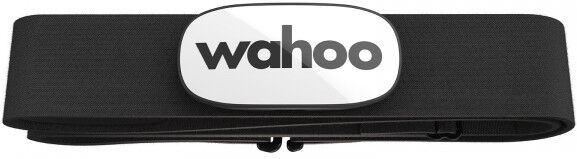
Wahoo TRACKR Heart Rate Monitor Chest StrapThe Wahoo TRACKR Heart Rate Monitor is designed for athletes who demand precision, comfort, and connectivity. Whether you’re training for a marathon, cycling, or hitting the gym, the TRACKR delivers accurate heart rate data in real-time, helping you optimise your performance and reach your...59,99 £*Shipping: 4,95 £Secure redirect to the provider
-
Market Central Stationary Bike Monitor With Speedometer And Heart Rate Display Stationary Bike Monitor With Speedometer And Heart Rate DisplayBring clear, motivating feedback back to every ride. This stationary bike monitor displays realtime speed and heartrate information, helping home cyclists stay focused and manage workout intensity. Designed for compatible magnetic fitness bikes, it...34,97 $*Shipping: 0,00 $Secure redirect to the provider
-
Shopalltechgadgets Women's Smart Watch With Heart Rate Monitor Waterproof Fitness Smartwatch Women's Smart Watch With Heart Rate Monitor Waterproof Fitness SmartwatchStay connected, active, and in control of your wellness with a stylish Women's Smart Watch designed to complement your everyday routine. Whether you're working, exercising, or relaxing, this elegant wearable helps you monitor your health while...49,97 $*Shipping: 0,00 $Secure redirect to the provider
-
Inspire Curations KT71 Bluetooth Calling Smartwatch With Heart Rate & Blood Oxygen Monitor KT71 Bluetooth Calling Smartwatch With Heart Rate & Blood Oxygen MonitorStay connected, informed, and in controlright from your wrist. The Bluetooth calling smartwatch KT71 lets you answer calls, check messages, and track your health without reaching for your phone. Designed for active lifestyles and everyday...146,95 $*Shipping: 0,00 $Secure redirect to the provider


-
How do I calculate the inventory holding cost rate when I have the inventory level, raw material usage, market interest rate, and turnover rate given? (Business Administration)
To calculate the inventory holding cost rate, you can use the formula: Inventory Holding Cost Rate = (Inventory Level * Cost per Unit * Market Interest Rate) / (Raw Material Usage * Turnover Rate). First, multiply the inventory level by the cost per unit and the market interest rate. Then, divide this value by the product of raw material usage and turnover rate. This will give you the inventory holding cost rate, which represents the cost of holding inventory over a specific period. **
-
How do I calculate the inventory holding cost rate if I have the inventory level, raw material usage, market interest rate, and turnover rate given? (Business Administration)
To calculate the inventory holding cost rate, you can use the formula: Inventory Holding Cost Rate = (Inventory Level * Cost per Unit * Market Interest Rate) / (Raw Material Usage * Turnover Rate). First, multiply the inventory level by the cost per unit and the market interest rate. Then divide this by the product of raw material usage and turnover rate. This will give you the inventory holding cost rate, which represents the cost of holding inventory over a specific period. **
-
How do I calculate the inventory carrying cost rate when I have the inventory level, raw material usage, market interest rate, and turnover rate given? (Business Administration)
To calculate the inventory carrying cost rate, you can use the formula: Inventory carrying cost rate = (Inventory level * Cost per unit * Market interest rate) / (Raw material usage * Turnover rate). First, multiply the inventory level by the cost per unit to get the total inventory cost. Then, multiply this by the market interest rate to calculate the carrying cost. Finally, divide this by the product of raw material usage and turnover rate to get the inventory carrying cost rate. This rate helps businesses understand the cost of holding inventory and can be used to make informed decisions about inventory management. **
-
What is the commission rate in reputable sales?
In reputable sales, the commission rate can vary depending on the industry and the specific sales role. However, in general, the commission rate in reputable sales is typically based on a percentage of the sales revenue generated by the salesperson. This percentage can range from 5% to 20% or more, and may also include additional bonuses or incentives based on performance. Reputable sales organizations often offer competitive commission rates to attract and retain top sales talent. **
How do I calculate the inventory carrying cost rate if I have been given the inventory level, raw material usage, market interest rate, and turnover rate? (Business Administration)
To calculate the inventory carrying cost rate, you first need to determine the average inventory level by dividing the sum of the beginning and ending inventory levels by 2. Next, calculate the annual inventory holding cost by multiplying the average inventory level by the market interest rate. Then, calculate the annual cost of goods sold by multiplying the raw material usage by the turnover rate. Finally, divide the annual inventory holding cost by the annual cost of goods sold to get the inventory carrying cost rate. **
What is the difference between a retail sales specialist and a retail management specialist?
A retail sales specialist is primarily focused on selling products and providing customer service. They are responsible for assisting customers, processing transactions, and ensuring the store is well-stocked and presentable. On the other hand, a retail management specialist is responsible for overseeing the overall operations of the store, including managing staff, setting sales targets, and implementing strategies to increase profitability. They also handle administrative tasks such as scheduling, inventory management, and budgeting. In summary, the retail sales specialist focuses on the front-line customer interactions, while the retail management specialist focuses on the overall management and operations of the store. **
Top-Angebote
Products related to Rate:
-
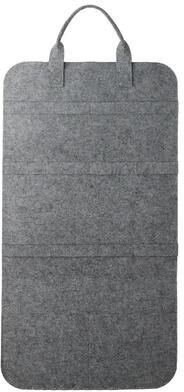
Uplifted Finds Vertical Toy Inventory Management Module greenOptimize your pets engagement ecosystem with the Vertical ToyInventory Module, a professionalgrade organization system engineered with spatialefficiency logic. This highutility module features a multitier felt architecture specifically designed to...92,97 $*Shipping: 0,00 $Secure redirect to the provider
-
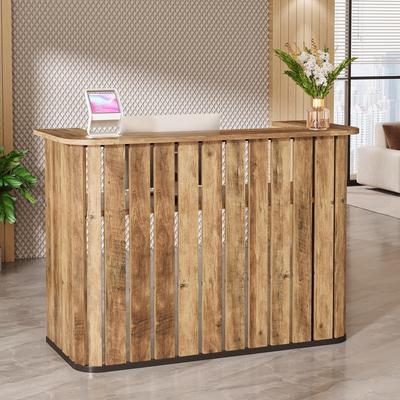
Bluebell Reception Desk with Counter, Retail Checkout Counter Table, Modern Front DeskThis contemporary reception desk, with its U-shaped design, provides both aesthetic appeal and privacy. Designed for optimal efficiency, it has a double-tier structure for easy access to essentials and it is ergonomically high for comfort.204,74 $*Shipping: 0,00 $Secure redirect to the provider
-
Wahoo TRACKR Heart Rate Monitor Chest StrapThe Wahoo TRACKR Heart Rate Monitor is designed for athletes who demand precision, comfort, and connectivity. Whether you’re training for a marathon, cycling, or hitting the gym, the TRACKR delivers accurate heart rate data in real-time, helping you optimise your performance and reach your...59,99 £*Shipping: 4,95 £Secure redirect to the provider
-
Market Central Stationary Bike Monitor With Speedometer And Heart Rate Display Stationary Bike Monitor With Speedometer And Heart Rate DisplayBring clear, motivating feedback back to every ride. This stationary bike monitor displays realtime speed and heartrate information, helping home cyclists stay focused and manage workout intensity. Designed for compatible magnetic fitness bikes, it...34,97 $*Shipping: 0,00 $Secure redirect to the provider
-
What is the sales commission rate in the retail sector of the fashion industry?
The sales commission rate in the retail sector of the fashion industry can vary widely depending on the company and the specific position. On average, sales commission rates in the fashion industry typically range from 1% to 10% of the total sales made by the individual. Some companies may offer higher commission rates for selling certain products or reaching specific sales targets. It's important for sales professionals in the fashion industry to understand their commission structure to maximize their earnings. **
-
How do I calculate the inventory carrying cost rate if I have the inventory level, raw material usage, market interest rate, and turnover rate given? (Business Administration)
To calculate the inventory carrying cost rate, you can use the formula: Inventory carrying cost rate = (Inventory level * Cost per unit * Market interest rate) / (Raw material usage * Turnover rate). First, multiply the inventory level by the cost per unit to get the total inventory value. Then, multiply this by the market interest rate to get the carrying cost. Finally, divide this by the product of raw material usage and turnover rate to get the inventory carrying cost rate. This rate helps businesses understand the cost of holding inventory and can be used to make informed decisions about inventory management. **
-
How do I calculate the inventory holding cost rate when I have the inventory level, raw material usage, market interest rate, and turnover rate given? (Business Administration)
To calculate the inventory holding cost rate, you can use the formula: Inventory Holding Cost Rate = (Inventory Level * Cost per Unit * Market Interest Rate) / (Raw Material Usage * Turnover Rate). First, multiply the inventory level by the cost per unit and the market interest rate. Then, divide this value by the product of raw material usage and turnover rate. This will give you the inventory holding cost rate, which represents the cost of holding inventory over a specific period. **
-
How do I calculate the inventory holding cost rate if I have the inventory level, raw material usage, market interest rate, and turnover rate given? (Business Administration)
To calculate the inventory holding cost rate, you can use the formula: Inventory Holding Cost Rate = (Inventory Level * Cost per Unit * Market Interest Rate) / (Raw Material Usage * Turnover Rate). First, multiply the inventory level by the cost per unit and the market interest rate. Then divide this by the product of raw material usage and turnover rate. This will give you the inventory holding cost rate, which represents the cost of holding inventory over a specific period. **
Similar search terms for Rate
-
Shopalltechgadgets Women's Smart Watch With Heart Rate Monitor Waterproof Fitness Smartwatch Women's Smart Watch With Heart Rate Monitor Waterproof Fitness SmartwatchStay connected, active, and in control of your wellness with a stylish Women's Smart Watch designed to complement your everyday routine. Whether you're working, exercising, or relaxing, this elegant wearable helps you monitor your health while...49,97 $*Shipping: 0,00 $Secure redirect to the provider
-
Inspire Curations KT71 Bluetooth Calling Smartwatch With Heart Rate & Blood Oxygen Monitor KT71 Bluetooth Calling Smartwatch With Heart Rate & Blood Oxygen MonitorStay connected, informed, and in controlright from your wrist. The Bluetooth calling smartwatch KT71 lets you answer calls, check messages, and track your health without reaching for your phone. Designed for active lifestyles and everyday...146,95 $*Shipping: 0,00 $Secure redirect to the provider
-
Uplifted Finds Vertical Toy Inventory Management Module grayOptimize your pets engagement ecosystem with the Vertical ToyInventory Module, a professionalgrade organization system engineered with spatialefficiency logic. This highutility module features a multitier felt architecture specifically designed to...92,97 $*Shipping: 0,00 $Secure redirect to the provider
-
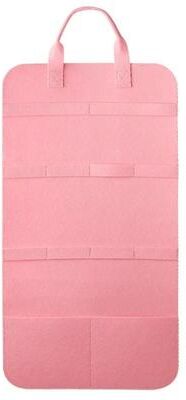
Uplifted Finds Vertical Toy Inventory Management Module pinkOptimize your pets engagement ecosystem with the Vertical ToyInventory Module, a professionalgrade organization system engineered with spatialefficiency logic. This highutility module features a multitier felt architecture specifically designed to...92,97 $*Shipping: 0,00 $Secure redirect to the provider
-
How do I calculate the inventory carrying cost rate when I have the inventory level, raw material usage, market interest rate, and turnover rate given? (Business Administration)
To calculate the inventory carrying cost rate, you can use the formula: Inventory carrying cost rate = (Inventory level * Cost per unit * Market interest rate) / (Raw material usage * Turnover rate). First, multiply the inventory level by the cost per unit to get the total inventory cost. Then, multiply this by the market interest rate to calculate the carrying cost. Finally, divide this by the product of raw material usage and turnover rate to get the inventory carrying cost rate. This rate helps businesses understand the cost of holding inventory and can be used to make informed decisions about inventory management. **
-
What is the commission rate in reputable sales?
In reputable sales, the commission rate can vary depending on the industry and the specific sales role. However, in general, the commission rate in reputable sales is typically based on a percentage of the sales revenue generated by the salesperson. This percentage can range from 5% to 20% or more, and may also include additional bonuses or incentives based on performance. Reputable sales organizations often offer competitive commission rates to attract and retain top sales talent. **
-
How do I calculate the inventory carrying cost rate if I have been given the inventory level, raw material usage, market interest rate, and turnover rate? (Business Administration)
To calculate the inventory carrying cost rate, you first need to determine the average inventory level by dividing the sum of the beginning and ending inventory levels by 2. Next, calculate the annual inventory holding cost by multiplying the average inventory level by the market interest rate. Then, calculate the annual cost of goods sold by multiplying the raw material usage by the turnover rate. Finally, divide the annual inventory holding cost by the annual cost of goods sold to get the inventory carrying cost rate. **
-
What is the difference between a retail sales specialist and a retail management specialist?
A retail sales specialist is primarily focused on selling products and providing customer service. They are responsible for assisting customers, processing transactions, and ensuring the store is well-stocked and presentable. On the other hand, a retail management specialist is responsible for overseeing the overall operations of the store, including managing staff, setting sales targets, and implementing strategies to increase profitability. They also handle administrative tasks such as scheduling, inventory management, and budgeting. In summary, the retail sales specialist focuses on the front-line customer interactions, while the retail management specialist focuses on the overall management and operations of the store. **
* All prices are inclusive of VAT and, if applicable, plus shipping costs. The offer information is based on the details provided by the respective shop and is updated through automated processes. Real-time updates do not occur, so deviations can occur in individual cases. ** Note: Parts of this content were created by AI.