Buy posl.eu ?
We are moving the project
posl.eu .
Are you interested in purchasing the domain
posl.eu ?
domain@kv-gmbh.de · 0541-91531010
Buy posl.eu ?
What is the main alloying element of iron?
The main alloying element of iron is carbon. When carbon is added to iron in controlled amounts, it forms the alloy known as steel. The carbon content in steel can vary, affecting its properties such as strength, hardness, and ductility. Other alloying elements like manganese, chromium, and nickel can also be added to iron to create different types of steel with specific characteristics. **
What are the material designations of alloying elements?
The material designations of alloying elements are typically represented by symbols or abbreviations. For example, carbon is represented by the symbol C, manganese by Mn, silicon by Si, and nickel by Ni. These designations are used to identify the specific elements present in an alloy and their respective concentrations. By understanding the material designations of alloying elements, engineers and metallurgists can better predict the properties and behavior of the alloy. **


Similar search terms for Alloying
Top-Angebote
Products related to Alloying:
-
BLUEBELL "63"" Reception Desk with Counter, Modern U-Shaped Front Desk, Retail Checkout Counter Table"Enhance your reception area or office workspace with this 63-inch modern U-shaped reception desk, designed to combine style, functionality, and privacy.255,99 $*Shipping: 0,00 $Secure redirect to the provider
-
"WESOME 94.5"" Front Desk Reception Desk with Drawer, Computer Workstation for Checkout, Lobby, Office, Retail Store"Upgrade your commercial space or home interior with our 94.5-inch Multifunctional Reception & Bar Desk, a perfect blend of modern aesthetics, practical functionality, and versatile usability.1844,99 $*Shipping: 0,00 $Secure redirect to the provider
-
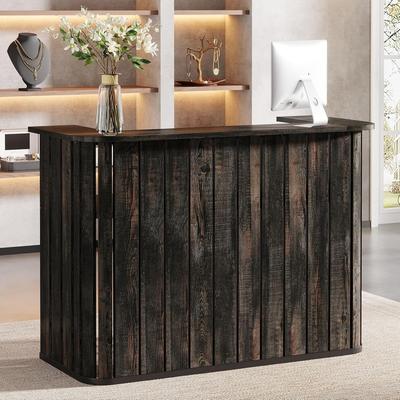
Modern Reception Desk, Retail Checkout Desk for Cashier Counter, Salon, Office And Customer Service Front DeskThis modern reception desk combines sleek design with practical storage, making it an ideal centerpiece for any office, retail store, or hotel lobby.263,99 $*Shipping: 0,00 $Secure redirect to the provider
-
Uplifted Finds Vertical Toy Inventory Management Module greenOptimize your pets engagement ecosystem with the Vertical ToyInventory Module, a professionalgrade organization system engineered with spatialefficiency logic. This highutility module features a multitier felt architecture specifically designed to...92,97 $*Shipping: 0,00 $Secure redirect to the provider



-
What does the alloying of metals mean in chemistry?
In chemistry, alloying of metals refers to the process of combining two or more metals to create a new material with enhanced properties. This is typically done to improve the strength, hardness, or corrosion resistance of the resulting alloy. By mixing different metals together, the alloy can exhibit a combination of characteristics that are not present in the individual metals. Alloying is a common practice in metallurgy and is used to create a wide range of materials for various industrial applications. **
-
Why are additional alloying metals used in the thermite process?
Additional alloying metals are used in the thermite process to improve the properties of the resulting alloy. These metals can help enhance the strength, hardness, and corrosion resistance of the final product. They can also help control the reaction rate and temperature during the thermite process, ensuring a more controlled and efficient reaction. Overall, the addition of alloying metals allows for the customization of the alloy to meet specific requirements for different applications. **
-
Why does raw steel need to be refined through alloying?
Raw steel needs to be refined through alloying because it helps to improve its properties and performance. Alloying involves adding other elements such as carbon, manganese, and nickel to the steel to enhance its strength, hardness, and resistance to corrosion. This process also allows for the customization of steel to meet specific requirements for different applications, such as in construction, automotive, and manufacturing industries. Overall, alloying raw steel is essential for creating a wide range of steel products with varying characteristics and performance capabilities. **
-
What is the difference between a retail sales specialist and a retail management specialist?
A retail sales specialist is primarily focused on selling products and providing customer service. They are responsible for assisting customers, processing transactions, and ensuring the store is well-stocked and presentable. On the other hand, a retail management specialist is responsible for overseeing the overall operations of the store, including managing staff, setting sales targets, and implementing strategies to increase profitability. They also handle administrative tasks such as scheduling, inventory management, and budgeting. In summary, the retail sales specialist focuses on the front-line customer interactions, while the retail management specialist focuses on the overall management and operations of the store. **


Can you study retail management?
Yes, you can study retail management as a specialized field of study. Many universities and colleges offer programs in retail management that cover topics such as merchandising, inventory management, customer service, and retail operations. Studying retail management can provide you with the skills and knowledge needed to pursue a career in the retail industry, whether it be in store management, merchandising, or marketing. It is a valuable field of study for those interested in working in the dynamic and fast-paced world of retail. **
Should inventory management be activated or deactivated?
Inventory management should be activated in order to efficiently track and control the flow of goods in a business. By activating inventory management, businesses can accurately monitor stock levels, reduce the risk of stockouts or overstocking, and improve overall inventory accuracy. This can lead to cost savings, improved customer satisfaction, and better decision-making based on real-time inventory data. **
Top-Angebote
Products related to Alloying:
-
Uplifted Finds Vertical Toy Inventory Management Module grayOptimize your pets engagement ecosystem with the Vertical ToyInventory Module, a professionalgrade organization system engineered with spatialefficiency logic. This highutility module features a multitier felt architecture specifically designed to...92,97 $*Shipping: 0,00 $Secure redirect to the provider
-
Bluebell Reception Desk with Counter, Retail Checkout Counter Table, Modern Front DeskThis contemporary reception desk, with its U-shaped design, provides both aesthetic appeal and privacy. Designed for optimal efficiency, it has a double-tier structure for easy access to essentials and it is ergonomically high for comfort.204,74 $*Shipping: 0,00 $Secure redirect to the provider
-
BLUEBELL "63"" Reception Desk with Counter, Modern U-Shaped Front Desk, Retail Checkout Counter Table"Enhance your reception area or office workspace with this 63-inch modern U-shaped reception desk, designed to combine style, functionality, and privacy.255,99 $*Shipping: 0,00 $Secure redirect to the provider
-
"WESOME 94.5"" Front Desk Reception Desk with Drawer, Computer Workstation for Checkout, Lobby, Office, Retail Store"Upgrade your commercial space or home interior with our 94.5-inch Multifunctional Reception & Bar Desk, a perfect blend of modern aesthetics, practical functionality, and versatile usability.1844,99 $*Shipping: 0,00 $Secure redirect to the provider
-
What is the main alloying element of iron?
The main alloying element of iron is carbon. When carbon is added to iron in controlled amounts, it forms the alloy known as steel. The carbon content in steel can vary, affecting its properties such as strength, hardness, and ductility. Other alloying elements like manganese, chromium, and nickel can also be added to iron to create different types of steel with specific characteristics. **
-
What are the material designations of alloying elements?
The material designations of alloying elements are typically represented by symbols or abbreviations. For example, carbon is represented by the symbol C, manganese by Mn, silicon by Si, and nickel by Ni. These designations are used to identify the specific elements present in an alloy and their respective concentrations. By understanding the material designations of alloying elements, engineers and metallurgists can better predict the properties and behavior of the alloy. **
-
What does the alloying of metals mean in chemistry?
In chemistry, alloying of metals refers to the process of combining two or more metals to create a new material with enhanced properties. This is typically done to improve the strength, hardness, or corrosion resistance of the resulting alloy. By mixing different metals together, the alloy can exhibit a combination of characteristics that are not present in the individual metals. Alloying is a common practice in metallurgy and is used to create a wide range of materials for various industrial applications. **
-
Why are additional alloying metals used in the thermite process?
Additional alloying metals are used in the thermite process to improve the properties of the resulting alloy. These metals can help enhance the strength, hardness, and corrosion resistance of the final product. They can also help control the reaction rate and temperature during the thermite process, ensuring a more controlled and efficient reaction. Overall, the addition of alloying metals allows for the customization of the alloy to meet specific requirements for different applications. **
Similar search terms for Alloying
-
Modern Reception Desk, Retail Checkout Desk for Cashier Counter, Salon, Office And Customer Service Front DeskThis modern reception desk combines sleek design with practical storage, making it an ideal centerpiece for any office, retail store, or hotel lobby.263,99 $*Shipping: 0,00 $Secure redirect to the provider
-
Uplifted Finds Vertical Toy Inventory Management Module greenOptimize your pets engagement ecosystem with the Vertical ToyInventory Module, a professionalgrade organization system engineered with spatialefficiency logic. This highutility module features a multitier felt architecture specifically designed to...92,97 $*Shipping: 0,00 $Secure redirect to the provider
-
Uplifted Finds Vertical Toy Inventory Management Module pinkOptimize your pets engagement ecosystem with the Vertical ToyInventory Module, a professionalgrade organization system engineered with spatialefficiency logic. This highutility module features a multitier felt architecture specifically designed to...92,97 $*Shipping: 0,00 $Secure redirect to the provider
-
Uplifted Finds Vertical Toy Inventory Management Module yellowOptimize your pets engagement ecosystem with the Vertical ToyInventory Module, a professionalgrade organization system engineered with spatialefficiency logic. This highutility module features a multitier felt architecture specifically designed to...92,97 $*Shipping: 0,00 $Secure redirect to the provider
-
Why does raw steel need to be refined through alloying?
Raw steel needs to be refined through alloying because it helps to improve its properties and performance. Alloying involves adding other elements such as carbon, manganese, and nickel to the steel to enhance its strength, hardness, and resistance to corrosion. This process also allows for the customization of steel to meet specific requirements for different applications, such as in construction, automotive, and manufacturing industries. Overall, alloying raw steel is essential for creating a wide range of steel products with varying characteristics and performance capabilities. **
-
What is the difference between a retail sales specialist and a retail management specialist?
A retail sales specialist is primarily focused on selling products and providing customer service. They are responsible for assisting customers, processing transactions, and ensuring the store is well-stocked and presentable. On the other hand, a retail management specialist is responsible for overseeing the overall operations of the store, including managing staff, setting sales targets, and implementing strategies to increase profitability. They also handle administrative tasks such as scheduling, inventory management, and budgeting. In summary, the retail sales specialist focuses on the front-line customer interactions, while the retail management specialist focuses on the overall management and operations of the store. **
-
Can you study retail management?
Yes, you can study retail management as a specialized field of study. Many universities and colleges offer programs in retail management that cover topics such as merchandising, inventory management, customer service, and retail operations. Studying retail management can provide you with the skills and knowledge needed to pursue a career in the retail industry, whether it be in store management, merchandising, or marketing. It is a valuable field of study for those interested in working in the dynamic and fast-paced world of retail. **
-
Should inventory management be activated or deactivated?
Inventory management should be activated in order to efficiently track and control the flow of goods in a business. By activating inventory management, businesses can accurately monitor stock levels, reduce the risk of stockouts or overstocking, and improve overall inventory accuracy. This can lead to cost savings, improved customer satisfaction, and better decision-making based on real-time inventory data. **
* All prices are inclusive of VAT and, if applicable, plus shipping costs. The offer information is based on the details provided by the respective shop and is updated through automated processes. Real-time updates do not occur, so deviations can occur in individual cases. ** Note: Parts of this content were created by AI.